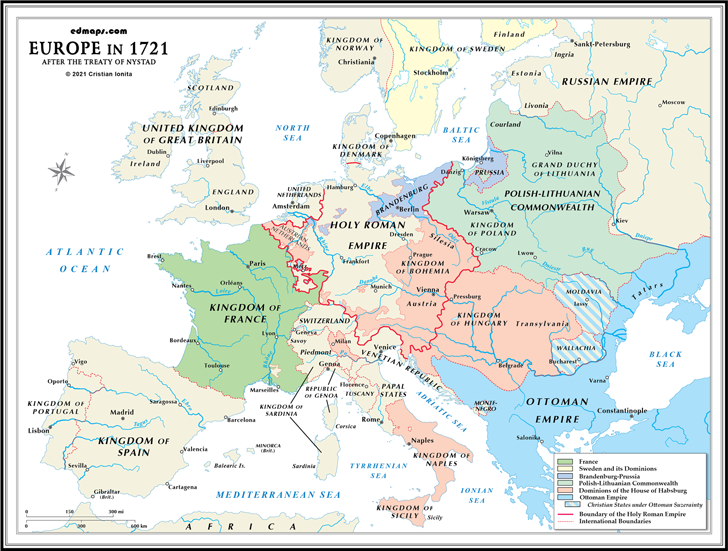
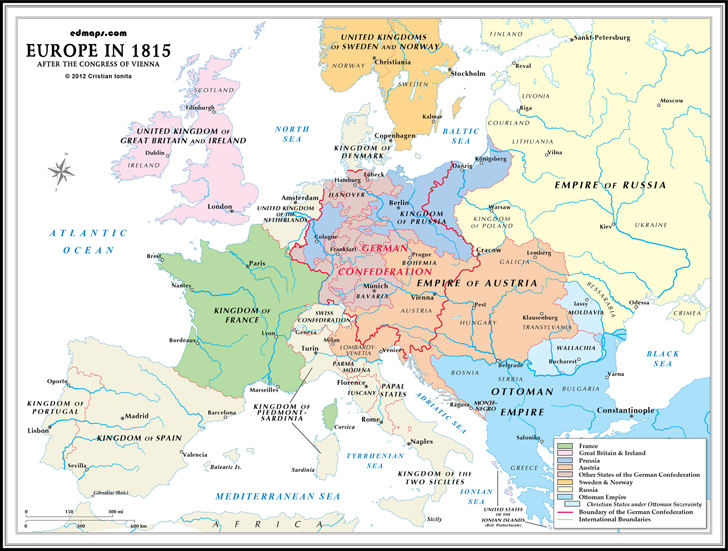
In 1870, Italy achieved near-complete territorial unification through the annexation of the Papal States, culminating the Risorgimento and creating the modern Italian nation-state after centuries of fragmentation.
The capture of Rome in September 1870, following the withdrawal of French troops during the Franco-Prussian War, completed Italian territorial unification. Pope Pius IX's temporal power was eliminated, and Rome became Italy's capital, symbolically fulfilling nationalist aspirations. Only San Marino and Vatican City (after 1929) remained outside the unified state, while Italian-speaking territories like Trentino, South Tyrol, Trieste, and Istria remained under Austrian control as "unredeemed Italy" (Italia Irredenta).
The new kingdom adopted a highly centralized administrative system based on the French model, dividing Italy into provinces governed by prefects appointed from Rome. This centralization aimed to forge national unity but often clashed with regional traditions and dialects. The Piedmontese legal system, constitution (Statuto Albertino), and administrative practices were extended throughout the peninsula, sometimes creating tension with former independent states' traditions.
The "Southern Question" emerged immediately as the economically backward Mezzogiorno (southern Italy and Sicily) struggled to integrate with the more developed northern regions. Former Kingdom of Two Sicles territories faced particular difficulties, with widespread brigandage requiring military suppression. The economic disparities between industrial northern regions and agricultural southern areas created lasting internal divisions.
Italy became a constitutional monarchy under the House of Savoy, with a bicameral parliament consisting of an elected Chamber of Deputies and appointed Senate. Universal male suffrage was limited initially, restricting political participation to educated and propertied classes.
Despite unification, territorial ambitions remained: Italia Irredenta represented ongoing nationalist goals, while colonial aspirations in Africa reflected desires for international prestige. The "Roman Question" with the Pope created ongoing tensions between state and church that would persist until the Lateran Pacts of 1929.